Not the same hymn. Something harder than that. The same conviction.
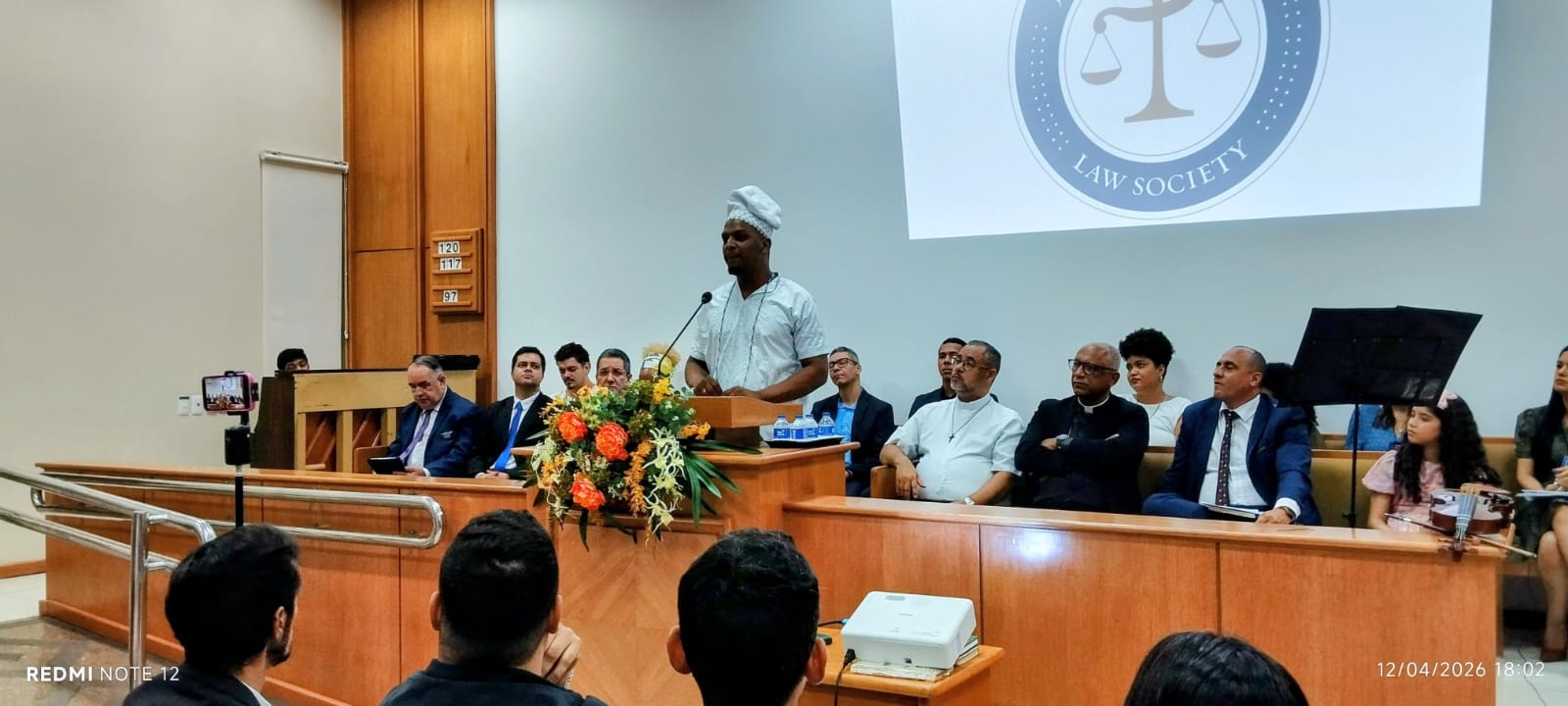
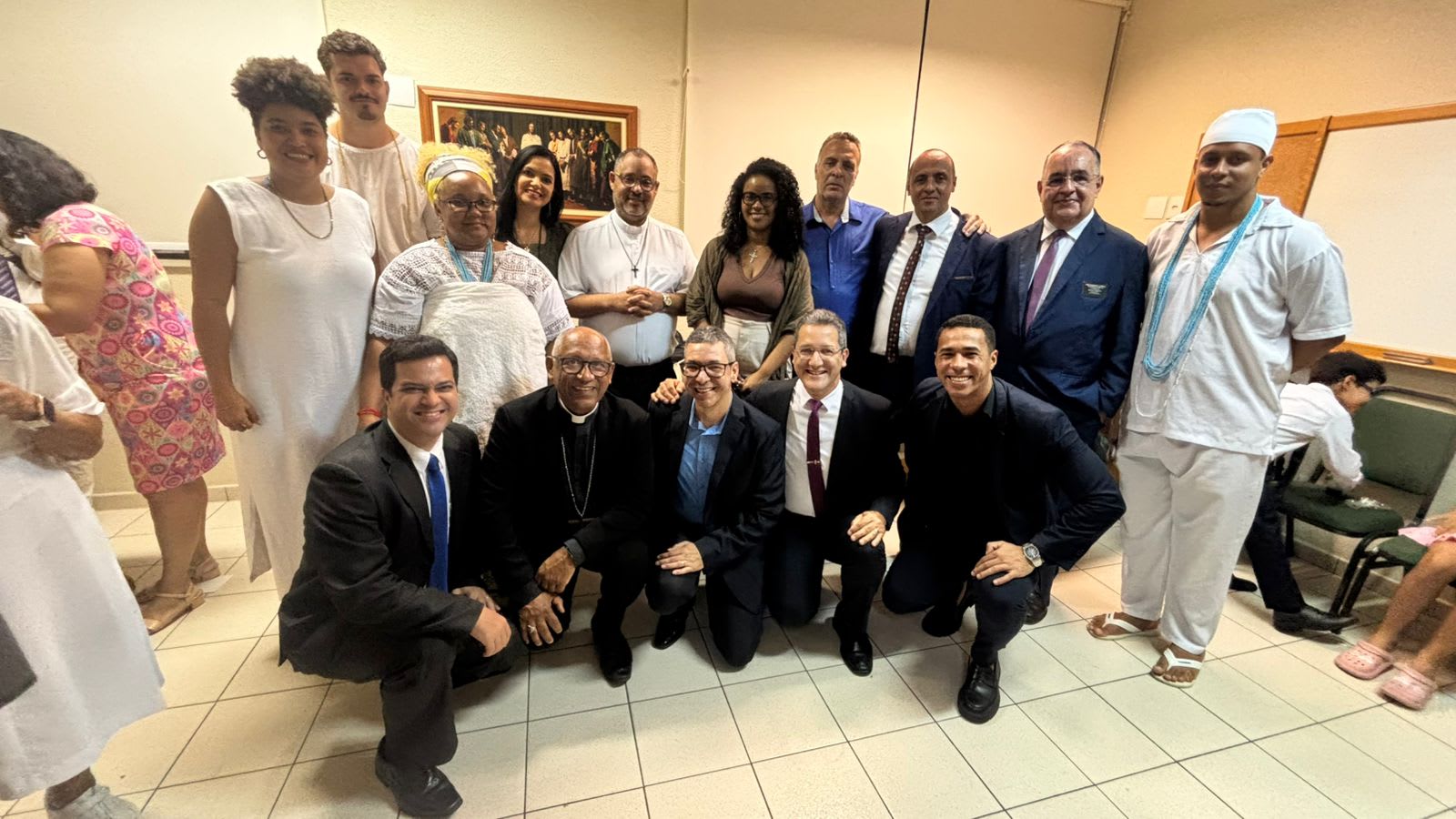
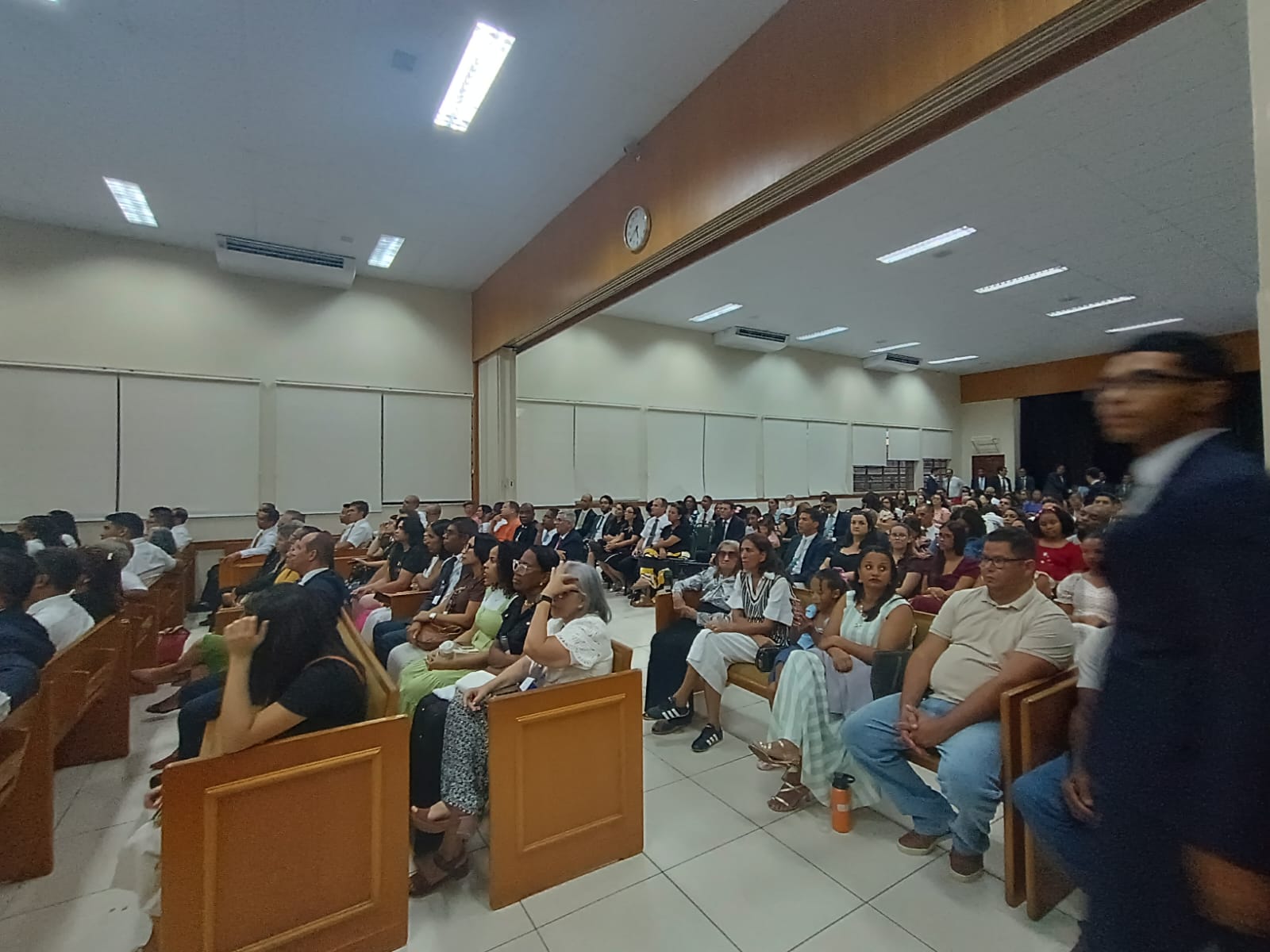
These religious leaders gathered together at the inaugural Symposium on Religious Freedom organized by the JRCLS Brazil Feira de Santana Chapter in partnership with The Church of Jesus Christ of Latter-day Saints (the “Church”). Hosted at the Church’s Kalilândia Chapel, the event drew more than 400 participants to a city not always associated with interfaith harmony. Five religious traditions shared the stage, and members from three Latter-day Saint stakes mobilized their communities. One question anchored the entire day: What does it mean to be truly free to believe?
The answer that lingered longest came from Archbishop Dom Zanoni Demettino Castro, the Catholic Metropolitan Archbishop of Feira de Santana. He described religious freedom as the oxygen of all other human rights — arguing that without it, every other right eventually suffocates. Faith, he said, cannot be coerced. The moment it is imposed, it ceases to be faith at all.
Eduardo Galdino, representing the Afro-Brazilian Candomblé tradition, pointed to the generation coming of age right now as the ones who will determine whether discrimination becomes a relic of the past. Anderson Coelho of the Seventh-day Adventist Church was direct: history shows that societies that restrict religious freedom do not stop there. Persecution follows. Accordingly, respect for the conscience of others is not optional — it is the foundation of a peaceful society.
Dr. Mariane Oliveira, representing the Brazilian Bar Association's Commission on Racial Equality, added a dimension that set this symposium apart from others of its kind by discussing religious racism. In Brazil, where Afro-Brazilian faiths have faced centuries of marginalization, the conversation about religious freedom cannot be separated from the conversation about racial equality. Law and justice, she argued, must protect both.
Before any of the spoken messages were presented from religious and civic leaders, the Kalilândia Stake Children's Choir recited the Church’s Articles of Faith, then sang to the symposium attendees, filling the room with the voices of the next generation before any legal argument or theological reflection had been offered. By the time the event closed — with 400 people joining hands to sing "A Paz" together — the room had become something difficult to describe in a program agenda.
The symposium earned coverage from Acorda Cidade, Feira de Santana's leading news outlet, which published both a pre-event announcement and a feature on Dom Zanoni's remarks. The OAB Feira de Santana Subsection also documented its participation publicly, calling the gathering a remarkable moment of collective engagement.
What made April 12 different from any other Sunday in Feira de Santana? Five traditions. Four hundred people. One cause: defending religious freedom for ourselves and for all other believers, too.