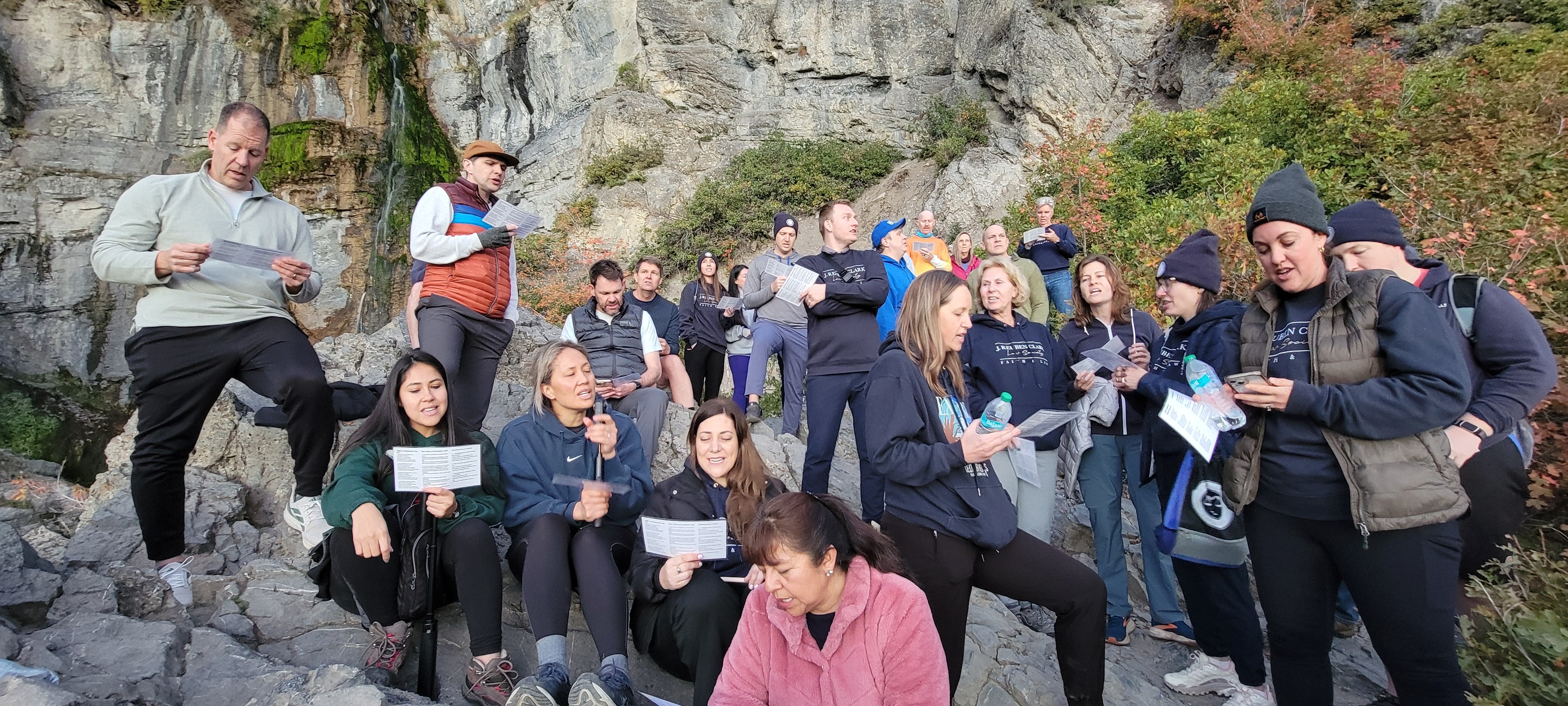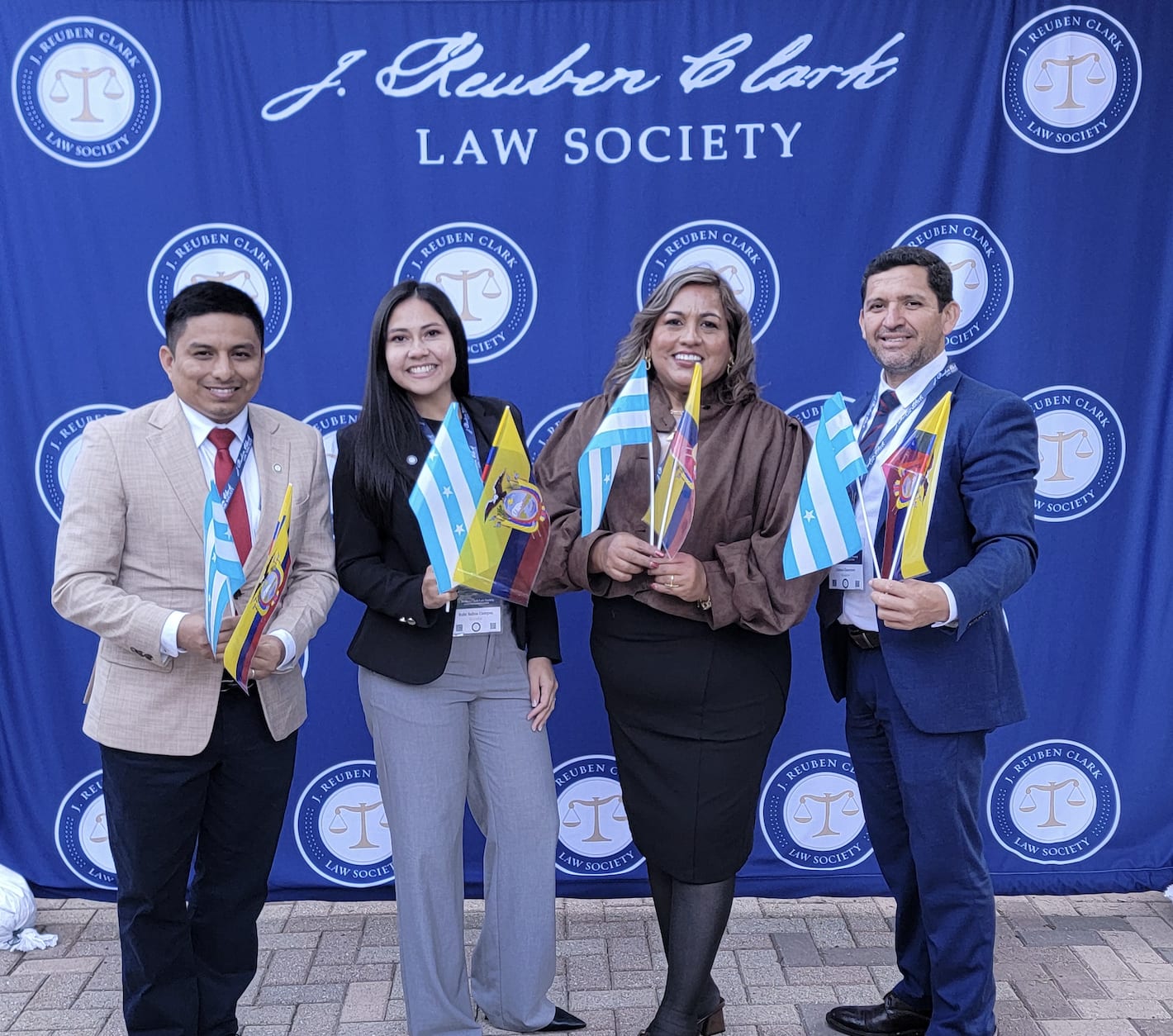
On October 1 - 2, 2026, JRCLS leaders from around the world gathered at Aspen Grove, Utah, for the 2026 Leadership Conference. I have attended several of these conferences, yet this one left me with something I already knew but needed to feel again: I am part of something bigger than I realize, and so is everyone who serves in this Society.
Start small
For many of us, the conference began with training for new leaders. In his session on religious freedom events, Blaine Evanson, Global Religious Freedom Committee Chair, identified a discouraging tendency many of us know well: We imagine planning an event so large that the whole world will hear our voice, and when reality falls short of that picture, we become disheartened. Blaine’s answer to this concern is simple: start small. He emphasized that the size of the religious freedom event should not be the focus of our efforts. Instead, what matters most is conveying an impactful message.
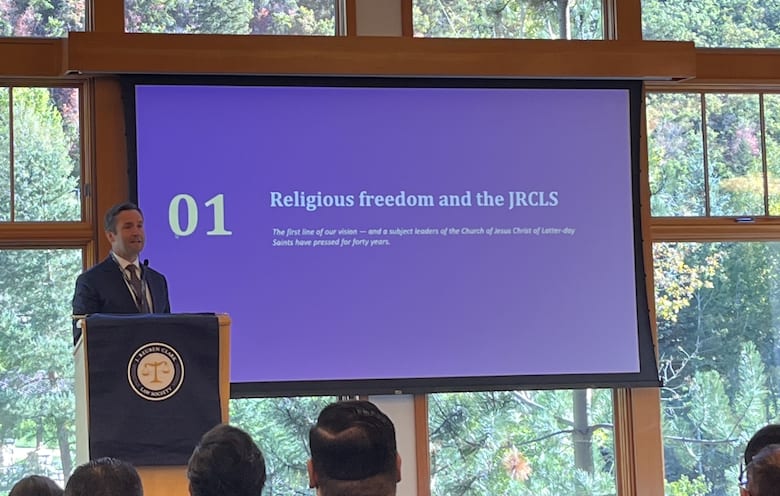
This counsel changed how I see my own role in the JRCLS. I left determined to speak more openly about religious freedom–not as a specialist, but as someone willing to start the conversation.
JRCLS mission in action
At the Opening Plenary Session, four leaders showed what our mission looks like on the ground.
Odacyr Prigol, Brazil Area Chair, spoke about the pro bono service JRCLS members provided to victims of natural disasters in Brazil. He shared a message he had once seen and photographed: “Coming together is a good start; staying together is progress; and working together is victory.” To him, those words describe the Law Society. When we unite our efforts, we can do great things, especially for those in need, and we are meant to share the God-given gifts we have received. Odacyr told us he had joined the JRCLS hoping to learn more about religious freedom, never expecting how much he would be able to do for others, or how fulfilling it would be. His remarks stayed with me the most, because service is one of the most meaningful things we can do with our legal skills.
Patricia Diaz, South America Northwest Area Chair, spoke about changing lives through service. Members of her Area set a goal of providing more pro bono services, which she described as a way to show people empathy and let them know they are not alone. This means trying to feel what they feel and seeking to understand their situations.
Judge Todd Plewe, Judges Section Chair, recalled how Judge Clifford Wallace taught him and other judges about the importance of religious freedom and why that freedom cannot exist without a strong, independent judiciary, and upholding the rule of law. With the rule of law under attack, he encouraged all of us, and judges especially, to defend it, because without it, our freedoms are in jeopardy.
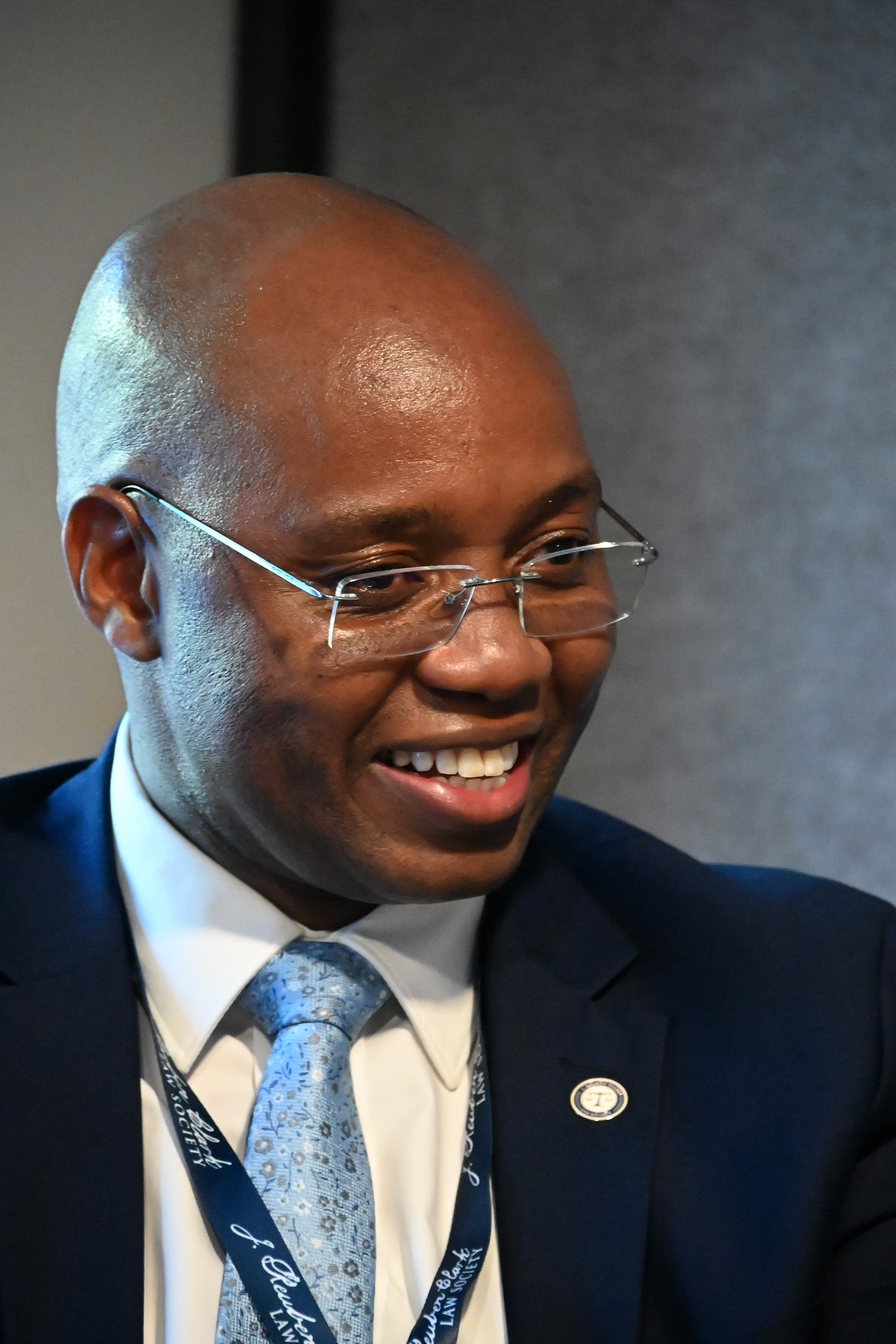
Siya Mkhize, Africa South Area Chair, reported on the recent area conference held in Africa and on the growth of the JRCLS, especially the increasing number of young professionals and law students who are joining the Society. He reminded us that law students are the future of the JRCLS and will be leading the Society’s efforts in the years ahead.
A heart of peace
In the Keynote Session, Reyna I. Aburto, former counselor in the Relief Society General Presidency of The Church of Jesus Christ of Latter-day Saints, spoke on “The Art of Peacemaking.” Her remarks drew on The Anatomy of Peace, a book I had read before, and it was meaningful to hear its ideas carried further.
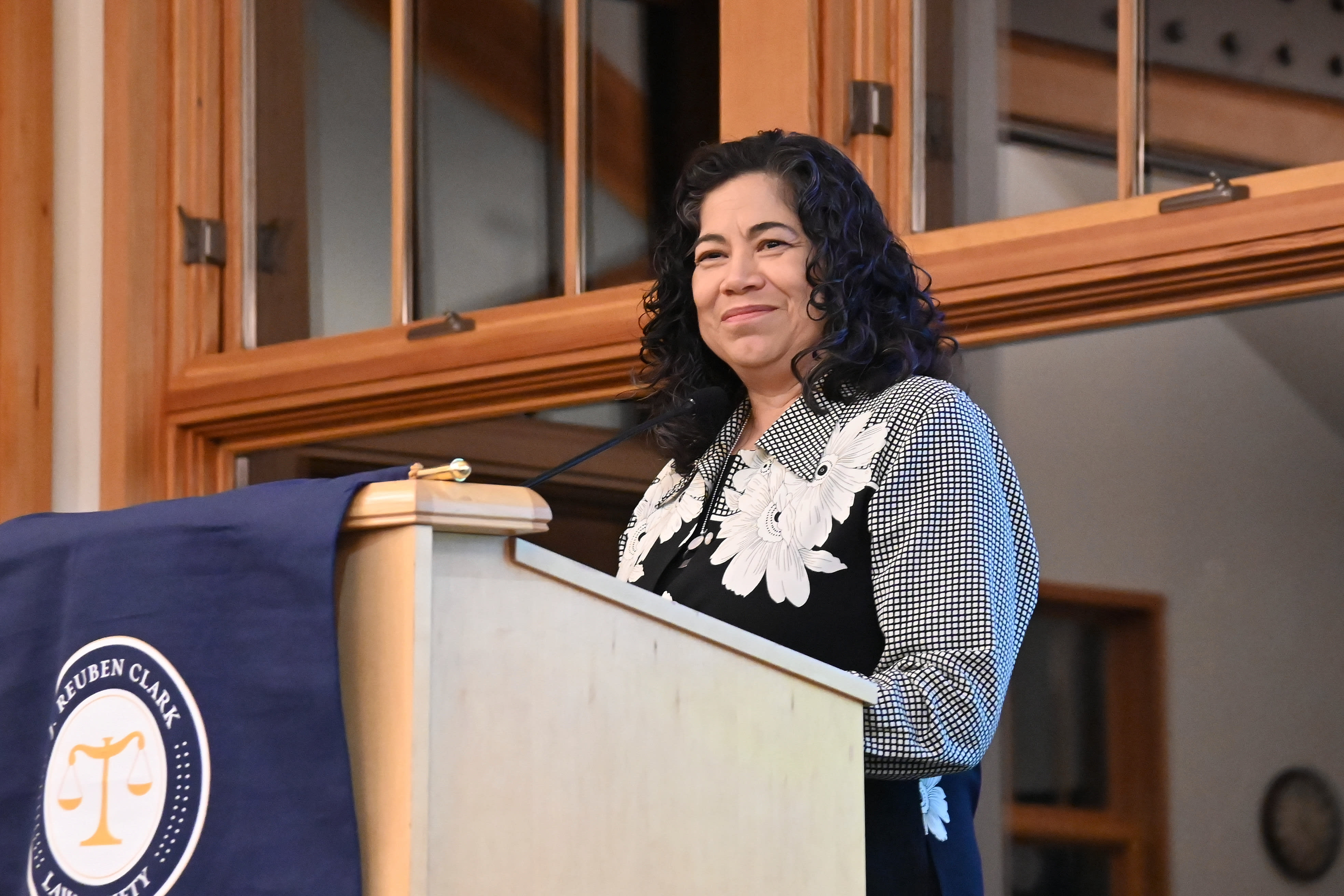
The legal profession is not always seen as one of peacemaking so Sister Aburto’s message reminded me that we can all be peacemakers, beginning with how we speak and by turning away from what is harsh and hateful.
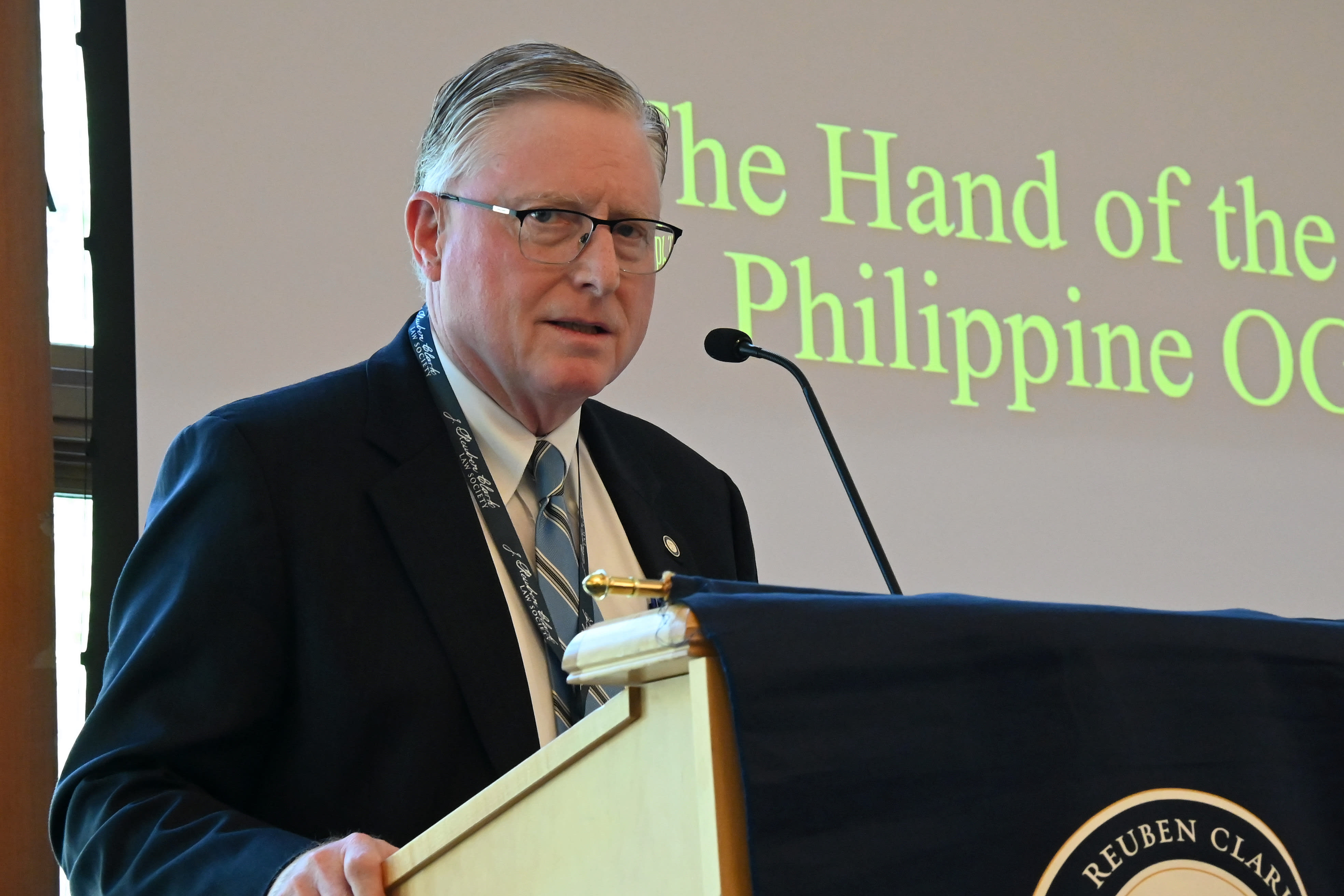
The Closing Plenary Session of the Leadership Conference featured reports from members of the Office of General Counsel of The Church of Jesus Christ of Latter-Day Saints: Lee Wright, Associate General Counsel, and Area Legal Counsel Jim Gillespie, Jeffrey Adams, and Don Fletcher. They described the real challenges the Church’s legal counsel face in different countries and the work they do to meet them. What stood out to me was how those challenges are most often overcome: not through legal disputes, but through honest connections and openness about their purpose of serving and helping others. It was the lesson of Sister Aburto’s keynote address seen in practice.
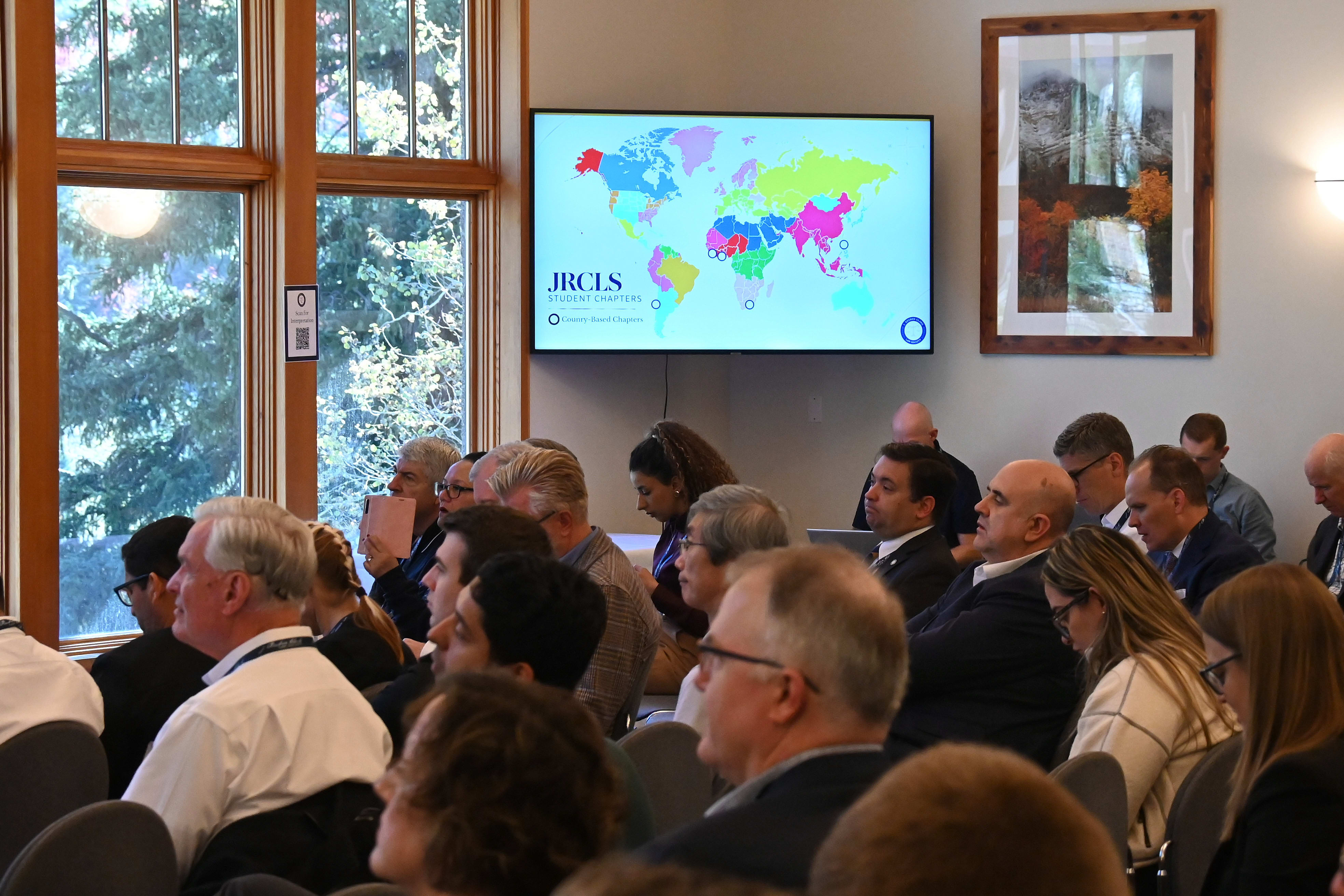
Over two days, I heard a judge call us to defend the rule of law, Area Chairs from Brazil, South America, and Africa describe lives changed through service, a Church leader teach the work of peace, and Church counsel show how relationships resolve what disputes cannot. This is the mission of the Law Society, a community of lawyers and law students of faith who believe that law, service, and conviction belong together.
Seeing old friends again reminded me how far this network reaches, across nations and languages. And looking around the room, I saw people doing something meaningful, not simply caring about their own careers. This is what the Leadership Conference gave me this year: a reminder that our work is shared and worth doing together.