
Central America is marked by rich cultural and social diversity, reflected in its legal traditions and institutions. In this context, law plays a central role in organizing civic life, protecting human dignity, and safeguarding fundamental freedoms.
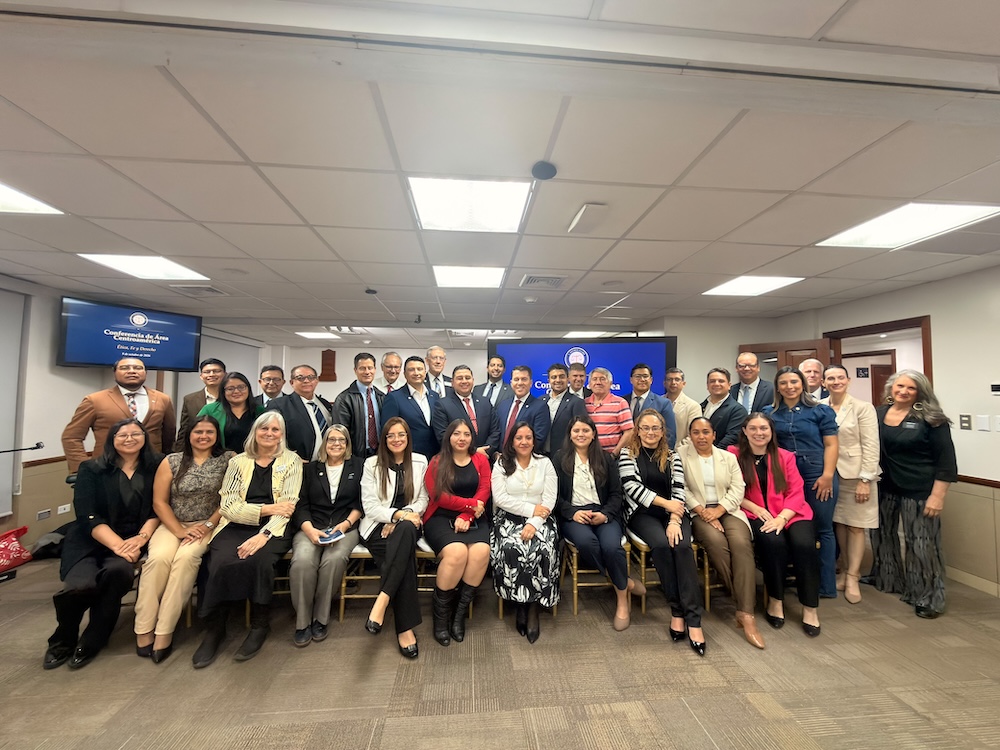
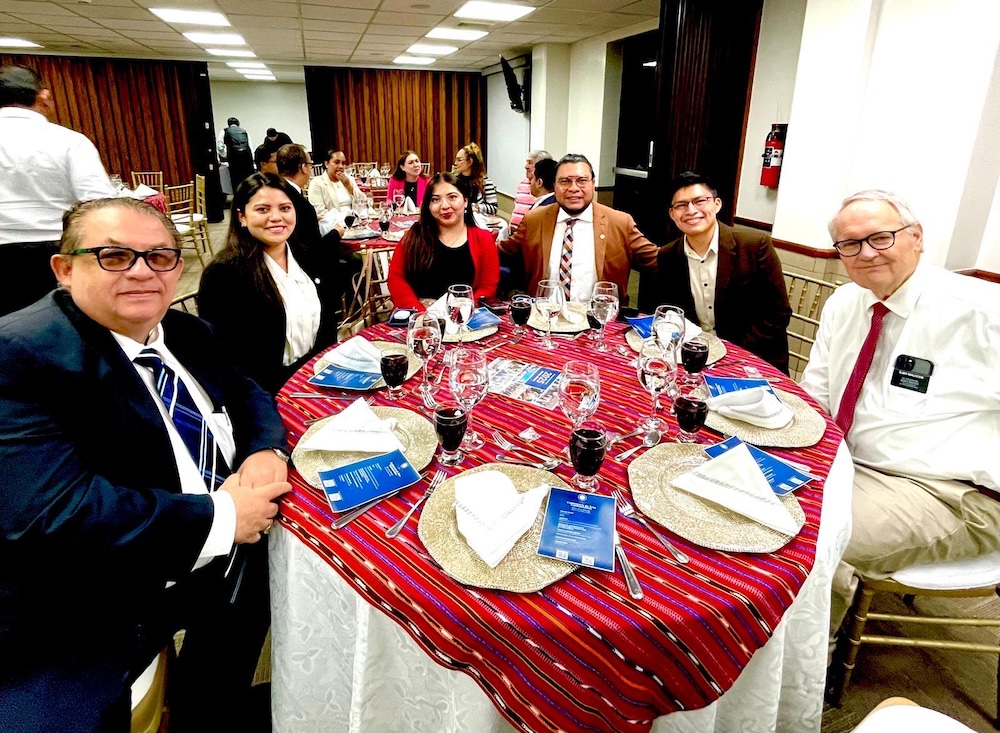
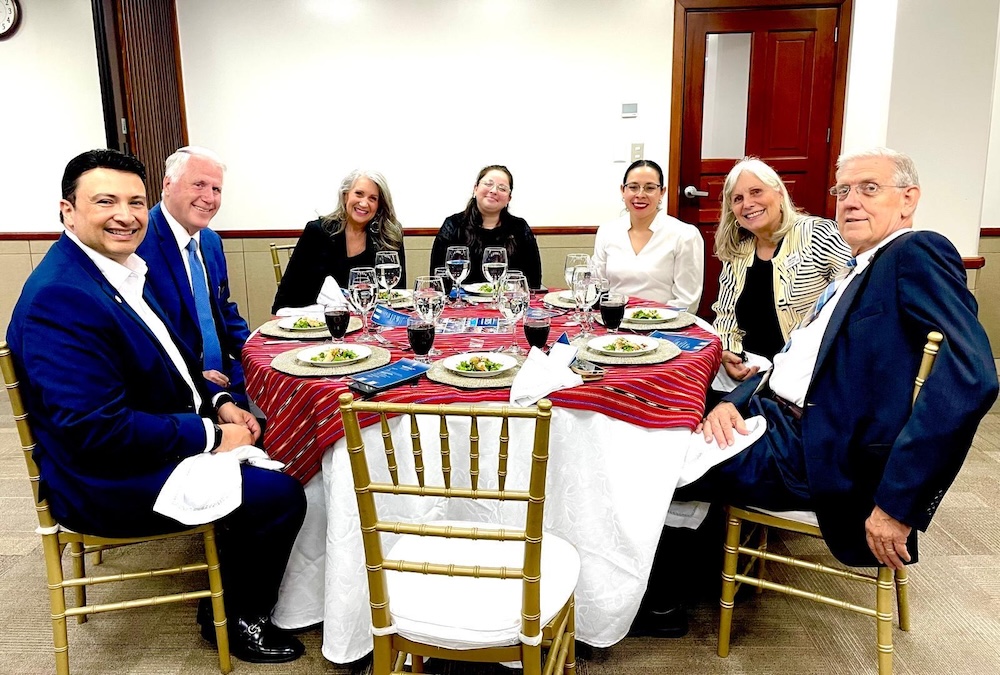
Against this backdrop, the 2026 Central America Area Conference was held in Guatemala City under the theme “Ethics, Faith, and Law.” More than 60 people attended the evening, which began with dinner and continued with a program focused on professional ethics, integrity, and service.
The keynote address by Alma Obeso de Casillas explored the relationship between ethical formation and the practice of law. Drawing on her experience as a woman, mother, wife, and attorney, she connected the responsibilities of personal and professional life with the development of judgment and decision-making.
 Her perspective also underscored the importance of women’s participation in the legal profession. When women serve as attorneys, judges, scholars, and leaders, they help shape legal institutions and bring a wider range of lived experience to the interpretation and application of law. Their participation can strengthen access to justice, expand professional mentorship, and encourage the next generation of women to pursue legal careers. Obeso’s own professional path offered a personal example of how women contribute to the law while navigating responsibilities in both public and family life.
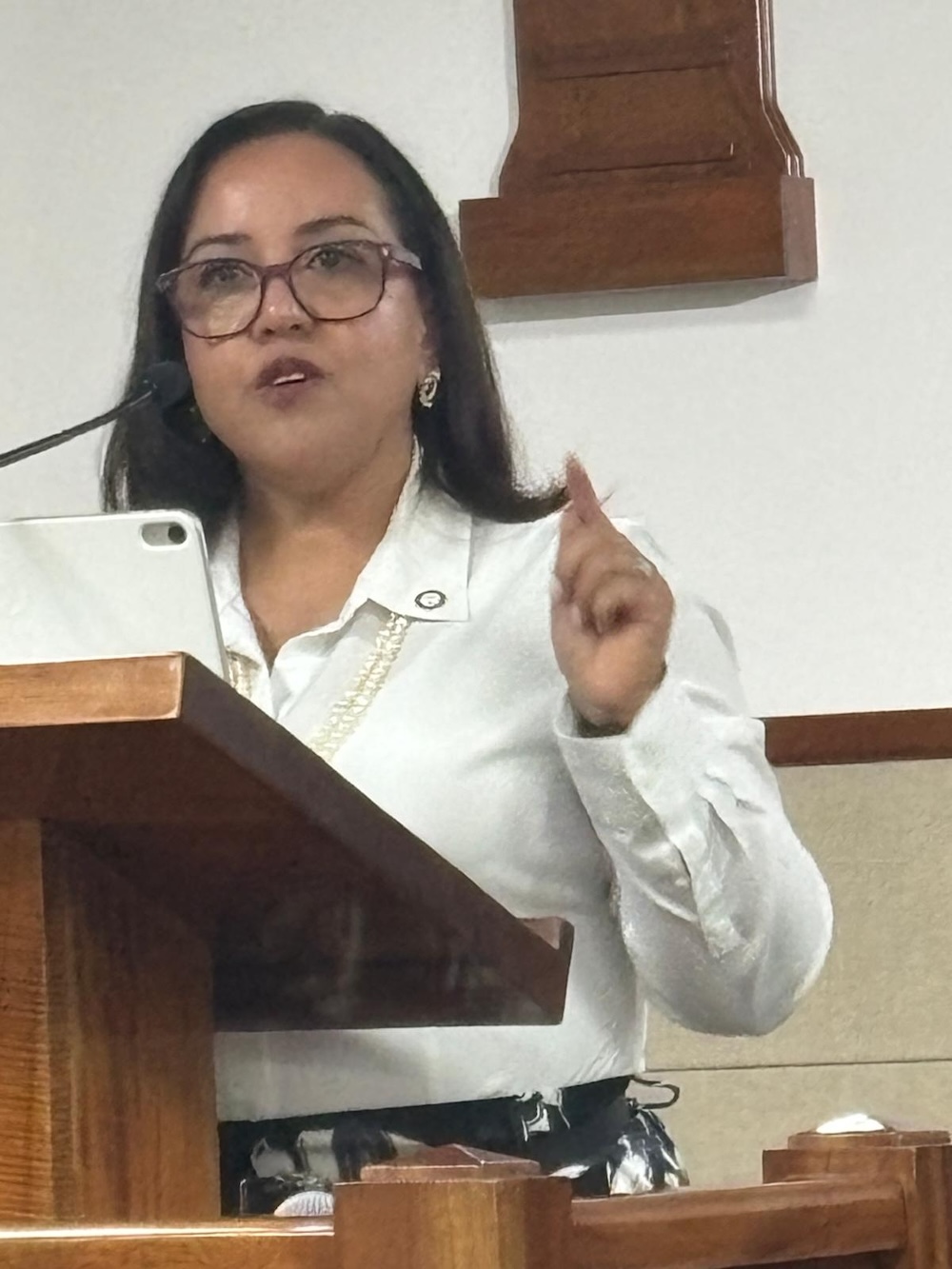 One of the central ideas in her presentation was that “law needs ethics.” Laws establish rights, obligations, and procedures, but their application requires sound judgment, integrity, and respect for human dignity. Obeso invoked Immanuel Kant’s principle that every person should be treated “as an end in themselves, never merely as a means.” In legal practice, this principle calls for respect for individual autonomy, attentive listening, and recognition of each person as a rights-holder.
The presentation also addressed faith as a personal foundation for integrity. It emphasized the importance of consistency between individual convictions and professional conduct. That consistency matters in advising clients, representing parties, and making decisions, especially when pressures or competing interests arise. Professional ethics requires lawyers to apply their knowledge responsibly and consider how legal decisions affect people’s lives.
Another theme was the “rule of law beyond the books.” The existence of written laws alone does not ensure that they will be observed or that rights will be effectively protected. The rule of law depends on legitimate institutions, impartial application of the law, and mechanisms that allow people to seek redress. The conference invited legal professionals to consider how their work can strengthen institutional trust, access to justice, and the protection of fundamental freedoms.
One line from the presentation captured the connection between personal formation and professional responsibility: “Great ideals are born long before we learn to name them.” The values that guide legal practice develop over time and shape a person’s judgment, conduct, and commitment to the common good.
 During the announcements, Debbie Rivera and Sister Ladell Muhlestein, from the Office of General Counsel of The Church of Jesus Christ of Latter-day Saints, introduced an opportunity for attorneys to serve as senior missionaries as Associate Area Legal Counsel. The assignment allows attorneys to put their professional experience to use in service to the Church, working alongside area legal counsel and local leaders.
Sister Muhlestein shared her testimony of serving in this role alongside her husband. Together, they are assigned to Central America. Their experience showed how senior missionary service can unite professional expertise with a desire to serve. Attorneys interested in an 18-month mission can learn how to contribute to the Church’s legal work while supporting its leaders and members in the communities they serve.
 In his report, Spencer Milián, Chair of the Central America Area, highlighted the organization’s growth in 2026. The Area grew from one chapter to four, including new chapters in Costa Rica San José and Panama Panama City. He also noted that chapters promote religious freedom initiatives, community service, and mentoring for law students and young professionals.
The conference connected individual ethics with institutional and community responsibility. Its message was that the practice of law calls for both technical competence and a commitment to human dignity, the rule of law, and service. JRCLS’s growth in Central America creates new opportunities to put those principles into practice and strengthen the region’s legal communities.